
Matt Mitchell


The DJ-turned-songwriter’s second album is heady, swirly, and exceptionally paced, imbuing dramatic feelings with dramatic rhythms.
2mo

Sturgill Simpson’s second Johnny Blue Skies album is a drug-induced, nude-romp riot taking place at the collapse of American democracy.
3mo

The L.A. guitarist obliterates his instrument’s most conventional tropes, making shapes that reward immersive listening.
1d
Inspired by European clubs, Italian getaways, LCD Soundsystem, and concert crowds, the Grammy-winning popstar sounds like a guest on his own album.
3mo

Heather Sawyer’s latest tape is a brisk, strange eruption of garage junk, Brill Building melodies, and a whole lotta fuzz.
3mo
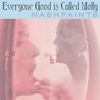

The New Orleans duo’s second album is full of tonal psychosis, whip-smart melodies, chatty pedal steel, and nifty, out-of-pocket lyrical assertions. It’s rare to find a band this good this early.
3mo

Walking through open portals, the California-born Aymara musician rewires the compositional possibilities of guitar playing. His new album merits repeated listens.
4mo

There’s a great record about maternal loss, addiction across generations, faith, and the American Dream somewhere inside With Heaven On Top’s ambitious but flawed 78-minute runtime.
4mo

The twin sisters’ first album together since P.S. Eliot’s breakup in 2011 is a hailstorm of warm, exceptionally-written country-rock bangers backed by MJ Lenderman and Brad Cook.
7mo

In the images of life-spanning hurt on her sixth album, the Vermont singer-songwriter never reaches for catchiness, only the discordant, zagging prog-folk that soothes the bedlam written within her.
7mo

The LA black metal quartet’s latest album’s versatility finds full consciousness in music that blasts with numbing intensity until it’s reborn into vibrance.
8mo

If Getting Killed is out to prove anything at all, it’s that rock and roll doesn’t need saving. Rock and roll needs playing, and, by God, Geese do exactly that.
8mo

The Manchester quartet’s long-awaited debut album is a feral and loving atmosphere calling attention to world crises. The songs are overwhelming but never threadbare, packed with colossal brass, elastic diatribes, and tourniquet rhythms.
8mo

The pop star’s Short n’ Sweet follow-up is as brainy as it is raunchy, with clever wordplay superseded only by inspired form.
9mo

The Paramore vocalist’s new set of solo songs is a bold, epic direction for the best rock frontwoman of the millennium.
9mo

The singer-producer’s second album isn’t a breakthrough or a comeback, but meteoric proof that his debut was star-making and his sound will command the genre’s next destiny without leaving any of its ancestry behind.
9mo

The Paramore vocalist’s new set of solo songs, titled Ego by fans, details a bold new direction for the best rock frontwoman of the millennium.
10mo

On the uncomfortable paths of the 28-year-old’s fourth album, slam-dunk bangers are substituted with reinvention and restraint surrendered through hushed, reflective, and carnal synth-pop vestiges.
11mo
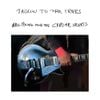
The immortal rock and roller’s “debut album” with the chrome hearts is a cache of his talents and a kind, albeit lopsided addition to his musical history.
11mo

The Chicago rapper’s fifth album is a conceptual achievement—not just a story of three young kids whose friend passes away, the monuments they build in his memory, and the lives they’d kill themselves to restore, but a collection of 11 short stories touched by a block-wide echo.
12mo
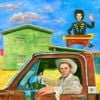
On the Texas-born, Oklahoma-based picker’s third album with Mexican Summer, his ramblings are great surveys of a songbook turned strange by geography and his portraits of loneliness and redemption covet a paintbrush hued with resolve.
11mo

For the first time since Bangerz, Cyrus has moved her chameleonic talents out of the ordinary—embracing ad-libs, prog-rock eruptions, techno flair, and pop blowouts with abandon.
1y

The septet’s second album with Dear Life Records is part hangout chatter, part guitar solo rummage sale, with door-kicking riffs and anecdotal psychedelia folded into a persistent, euphoric choogle.
1y

Seriously, this album is clunky, poorly mixed, offensively self-serving, and annoyingly regurgitated. The multi-part suites that made Arcade Fire’s previous releases sound like boom-or-bust sagas have been swapped out for lackadaisical, dogmatic doses of soulless, false glory.
1y