
Stuart Berman
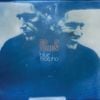

Radiohead’s resident enigma returns, spinning Brazilian influences, vintage rocktronica, and sumptuous string arrangements into a much more confident, cohesive follow-up to his 2020 solo debut.
6d

Folding together post-industrial dissonance, globe-trotting influences, and stinging social commentary, the Australian musician’s new album isn’t pulling punches.
2w

On his tightest, most cohesive album, the psych-rocker ditches tape-manipulated obfuscation for a sparkling set of jangle-pop songs that detail the road to recovery.
1mo

Dave Grohl faces the backlash with the leanest, meanest Foo Fighters album in 30 years.
1mo

On their third album, Florence Shaw and co. are tapping into that sly, dry humor, working with Cate Le Bon, and breaking out of their shell.
4mo

21-year-old power-pop auteur Kai Slater is back with a deliberately constructed album that finds the sweet spot between winsome and whimsical, chaos and craft.
6mo
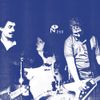
A set of previously unreleased live recordings captures the Minneapolis hardcore trio at peak ferocity. It’s a welcome corrective to the tinny production of their studio albums.
6mo


Canadian singer and songwriter Joel Gibb transforms his long-running indie-pop band into a Berlin-based subterranean house factory.
8mo
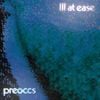
On the Canadian post-punks’ nervy fifth album, even apocalyptically grim lyrics feel like an appeal to humanity and romance.
1y

The Montreal trio’s mix of prog excess and punk attitude landed its 2020 debut on John Dwyer’s Castle Face label. On LP no. 3, the group hones its songwriting while honoring its exploratory instincts.
1y

The latest in Ruban Nielson’s globe-trotting series taps into a cosmic, extroverted energy, highlighting his band’s virtuosity in a set of psychedelic jams.
1y

The Canadian psych-pop auteur’s new album is less interested in paying homage to the golden oldies than in discovering what playful new mutations he can get away with.
1y
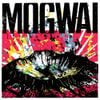
On their 11th album, the long-running post-rockers open up disarming, uplifting new dimensions to their sound without veering too far from familiar paths.
1y

The Colombian producer emerges from a period of personal upheaval with a set of brilliant, daylit dance tracks about the hard work of healing.
1y

After the intimacy of 2020’s folky Monarch Season, the Ontario musician’s new album packs a country-rock kick. But behind the familiar textures lies an ambitious blend of reflection and fantasy.
1y

Despite the grim title, the veteran Montreal post-rockers make some of their most exultant music here, trading apocalyptic epics for camaraderie and catharsis.
1y

On a record originally conceived as an ode to joy, Nick Cave continues to grapple with the all-consuming nature of grief. Pushed to rapturous extremes, the album sounds as haunted as it is healing.
1y

The eternally youthful McDonald brothers celebrate their band’s 45th anniversary with a signature blend of pristine melodic craft and garage-band insolence.
1y
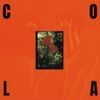
Cola’s second album, The Gloss, is a model of focus, precision, and economy—the sound of players who know exactly who they are and what they want to do.
1y
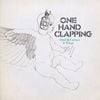
The McCartney we hear on One Hand Clapping isn’t so much the pop perfectionist of classic-rock legend as the merry prankster less concerned with pleasing the masses than amusing himself.
1y

On its second post-comeback album, the Scottish duo turns its narrative attention to human behavior in the digital age, to incisive and occasionally nihilistic ends.
2y

Last year, Neil Young and Crazy Horse played a VIP private party for one of Canada’s richest men. Now you’re invited to hear their cantankerous takes on almost every song from 1990’s Ragged Glory.
2y
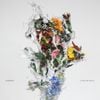
Stretching their signature sound to its abstract extremes, the Montreal doomers construct chilly, majestic settings for classic poetry and original lyrics.
2y

With Flora Ocean Tiger Bloom, Ubovich offers a resounding reaffirmation that psych-rock is forever, even if the escape it provides from our cruel world is ultimately temporary.
2y