
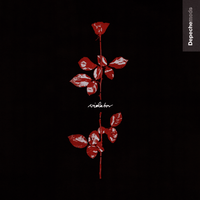

95
Violator was everywhere in 1990. It felt like everyone owned it. For a while, I almost resisted it because of that — sometimes ubiquity makes me push back instinctively. Revisiting it now, and really listening front to back for the first time in over twenty years, I was reminded why it left such a mark on the musical landscape of the time.
The production still feels sleek and deliberate — dark, sensual, and minimal without feeling empty. Depeche Mode found a perfect balance here between electronic precision and emotional weight. The hooks are undeniable, but so is the atmosphere.
The singles remain towering. “Personal Jesus” still stomps with that blues-inflected groove wrapped in synth polish. “Enjoy the Silence” remains a near-perfect pop song built on restraint and mood. “Policy of Truth” and “World in My Eyes” reinforce how strong that run of singles really was.
Beyond the obvious hits, “Sweetest Perfection” stood out to me — moody and intimate, leaning into obsession and devotion in a way that feels unsettling but controlled. And “Waiting for the Night” might be one of the album’s most beautiful moments. It’s patient, spacious, almost meditative. There’s a quiet vulnerability there that gives the album emotional depth beyond the radio staples.
Listening to it now as someone discovering it more fully rather than reliving it, I can hear why it resonated so strongly. Stripped of its cultural saturation and experienced on its own terms, Violator feels cohesive and focused — a record that balances pop accessibility with darker emotional textures. What really surprised me is how fresh it still sounds. Unlike some of the band’s earlier, more overtly new wave material, these songs don’t feel trapped in a specific late-’80s or early-’90s style. The production still breathes, the melodies still land, and the atmosphere feels surprisingly modern.
Comments
Sign in to comment.
Related Content
Advertisement

Rate and review albums along with the AOTY community. Create an account today.
Become a Subscriber
Subscriber badge, no ads + more benefits.
Subscriber badge, no ads + more benefits.