

JFPot
France
Best of 2026



Recently Rated
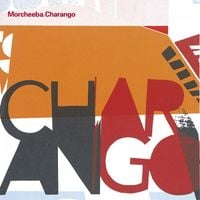





Recent Reviews

Chalk’s debut Crystalpunk arrives with clear intent: to fuse post-punk, techno and industrial into something immediate, physical, and uncompromising. From the opening stretch, the Belfast duo establish a strong identity built on pounding rhythms, abrasive textures and a constant sense of tension that rarely lets up.
The impact is undeniable. Tracks like Tongue, Pain and Can’t Feel It hit with precision, sitting somewhere between Nine Inch Nails, Depeche Mode and a club-driven ... read more
Charango sits in a strange but familiar space: somewhere between comfort and limitation.
From the very first moments, the album establishes a mood rather than a statement. Warm grooves, soft textures, and Skye Edwards’ unmistakable voice create an atmosphere that is immediately inviting. Nothing here is aggressive, nothing is rushed. The music flows, gently and consistently, like a slow-moving current.
And that’s precisely where the ambiguity begins.
On one hand, Charango is ... read more

Trixies is a fascinating idea: a long-lost rock opera written by Difford and Tilbrook as teenagers, finally brought to life decades later. And you can hear it — both the ambition and the limitations.
There’s real craft here. The songwriting is intricate, the arrangements are polished, and the album moves confidently through a wide range of influences, from classic British pop to theatrical rock. At times, it’s even impressive.
But it also feels like a reconstruction rather ... read more

I really wanted to connect with this album. On paper, everything is there: ambition, concept, collaborations, a sense of purpose. But in reality, I stayed mostly unmoved.
The opening stretch sets an atmosphere, with strong Indian influences and a clear spiritual direction. It’s intriguing at first, almost hypnotic. But as the album unfolds, the layering becomes more and more apparent — styles blend, guests appear, ideas stack… yet nothing truly anchors ... read more

Listening to Future Quiet in my living room, through a proper sound system, this album reveals a real beauty — but also its limits.
The opening stretch is genuinely moving. There’s something fragile, almost chipped, in the way Moby builds these pieces. The piano, the space, the restraint — it all feels human, like something that could break at any moment.
The revisited “When It’s Cold I’d Like to Die” is a highlight. Jacob Lusk’s voice is ... read more
Rating Distribution
| 100 | ||
| 90 - 99 | 8 | |
| 80 - 89 | 34 | |
| 70 - 79 | 14 | |
| 60 - 69 | 7 | |
| 50 - 59 | 5 | |
| 40 - 49 | ||
| 30 - 39 | ||
| 20 - 29 | ||
| 10 - 19 | ||
| 0 - 9 |
Become a Subscriber
Subscriber badge, no ads + more benefits.
Subscriber badge, no ads + more benefits.
Advertisement
Member since July 22, 2020