Stuart Berman

The band rarely sacrifices the rock'n'roll fun-- they no doubt deliver that elusive black-and-blue, but it's a hit that feels like a kiss.
14y
After a downer of a sophomore album, the Brazilian group's third record finds the band torn between pandering to the hopped-up hedonists who want to rip off Lovefoxxx’s clothes when she does a stage dive and a desire to dial down the crassness and redefine their character.
14y
The really amazing thing about the album is how anthemic and affirming it feels despite the near total absence of proper sing-along choruses.
14y
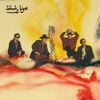
Arabia Mountain's chiseled production and considerably tighter songcraft provides a better forum for showcasing the band's subversive sense of humor.
15y
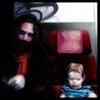
Godspeed You! Black Emperor/Thee Silver Mt. Zionist's solo debut recalls John Lennon/Plastic Ono Band.
3y
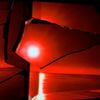
Nine Types of Light shows how TV on the Radio's transmissions can be just as effective and affecting when delivered free of static and noise.
15y
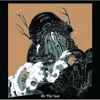
Even in smaller doses, they rarely relent in their pedal-through-the-metal ballast.
15y
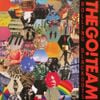
Hopefully, Rolling Blackouts marks the moment in the Go! Team's career where the idea of moving forward becomes less of a literal concept and more an artistic one.
15y

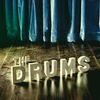
As the Drums' recent appearance on Friday Night With Jonathan Ross suggests, frontman Jonathan Pierce is not a man who is concerned with looking cool. Bearing a passing resemblance to Ralph Macchio's Karate Kid nemesis William Zabka, Pierce prances and preens through a performance of recent single "Best Friend" in a series of stilted robot dance moves, sweeping game-show-host hand gestures, and bug-eyed facial expressions, while delivering the arch, Morrissey-worthy lyrics ("You were my best friend/ But then you died") in a hammy, lounge-singer baritone. But then, given Pierce's track record, it's not surprising he has a healthy appreciation for the absurd; this is a man, after all, who called his old band Goat Explosion.
15y
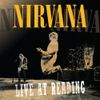
The Live at Reading CD/DVD provides formidable evidence of perhaps the last rock'n'roll band to transform the monoculture in its own image.
15y
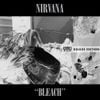
Nirvana's scrappy Sub Pop debut is reissued with a 1990 live show as a bonus.
11y
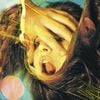
In a shocking turn, the Flaming Lips offer their most audacious undertaking since Zaireeka, an unrelentingly paranoid, static-soaked acid-rock epic.
15y
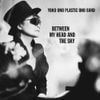
Between My Head and the Sky becomes a bit of a muddle in the middle, with Plastic Ono Band's free-form approach yielding less satisfying results ... [it] simmers down considerably in its closing third, shifting away from boisterous band jams toward meditative tone poems and piano pieces.
15y
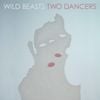
UK quartet follows 2008's fidgety, impulsive baroque-rock debut, Limbo, Panto, with an album that refashions them as a steely art-funk outfit.
15y
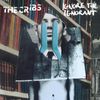
Smiths guitar hero Johnny Marr joins one of the brightest lights of post-Libertines UK rock for their fourth album.
15y
King of Jeans successfully consolidates these two strengths, harnessing the earlier record's sometimes directionless fire-extinguisher splatter into shake-appealing rock action, and cohering Korvette's ramblings into a more complete picture of wage-slave misanthropy and alpha-male inadequacy.
12y
Pretty much every city in North America has an FM radio station boasting a slogan along the lines of "Where Classic Rock Lives!" But really, these are the places where classic rock goes to die, fossilized onto playlists that haven't been updated since the second Black Crowes album. You think it's hard getting attention for your psych-folk-disco-shitgaze collective? Try being an up-and-coming meat-and-potatoes blues-rock band, who are shut out from both hipster-blog discourse and the sort of mainstream media channels that theoretically should be nurturing them. Most people laughed at the Blueshammer scene in Ghost World; me, I just felt sorry for those dudes-- because once they leave that bar, there's really nowhere else for them to go.
15y
San Fran-via-Santa Cruz sextet dispenses earth-quaking riffage in measured, spaced-out rations, tricking you into thinking it's heavier than it actually is.
15y
Twenty years since its first public mention, Archives-- covering 1963-72-- finally arrives as a 10-disc multimedia set available on DVD or Blu-ray.
10y
The Horrors' shoegazer makeover aside, the real story here is Badwan's growing confidence as a singer, and his willingness to sound more scared than scary. Primary Colours loses its radiance when he reverts back to bogeyman type.
15y
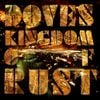
Doves' fourth album is another sterling example of why Doves should be household names and why they probably won't ever be.
15y
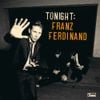
After a few years of non-stop activity that found them moving from clubs to a Mercury Prize win and Grammy performance, Franz Ferdinand took time off and have re-emerged with an album that, more so than stoking current commerical prospects, is an exciting look at the band's potential future.
15y
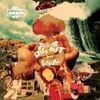
For now we're stuck with Dig Out Your Soul, which like every Oasis album from 1997's Be Here Now onward, makes cursory gestures toward making the band's mod-rock more modernist, before reverting back to the same ol', same ol'.
15y