
Will Marshall


This isn’t Speed reinventing the wheel or evolving sonically, at least not much. What it is, though, is more Speed that as ever, comes from a very real, caring place, and it’ll make you want to run through walls.
7mo


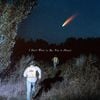
I Don’t Want To See You In Heaven is a masterful study in the contradictions that lie at the heart of The Callous Daoboys; this is easily their most esoteric, challenging work yet. It’s an hour long, after all, and it doesn’t so much as detour into other genres as it does tear through them like a hurricane, taking bits and pieces back with them.
1y

Even In Arcadia certainly won’t convince their detractors or those who casually enjoy them to become more devoted, but it’s doubtlessly going to keep their ascent going through sheer fervour if not quality.
1y
Far more melodic and experimental than they’ve ever been, without losing focus or a sense of self, Fallen Star is a huge achievement for the band and one that should, by rights, finally get them headlining the arenas they’ve proved they can dominate.
1y

While Clarke mostly screams, offering little of the melodic voice he found before, it’s still used sparingly and to greater effect, all the while backed by some of the best instrumentals DEAFHEAVEN have ever penned. Electrifying, and utterly essential.
1y

Just as polished, but re-embracing the djent and prog elements that made them so exciting in the first place, as well as bringing in more electronic influence. Now, SPIRITBOX are heavier and weirder than before – and Tsunami Sea is all the better for it, setting a new bar for both themselves and modern metalcore.
1y
At no point do No Cure give space to breathe, or any time to understand the bludgeoning you’re receiving. Frankly, it’s phenomenal. For all its IQ-lowering belligerence, there’s an intelligence behind its construction that marks No Cure out as one of hardcore’s most brutal, brilliant and vital new bands.
1y
If nothing else, Mutation doubles down on RedHook‘s oddball nature, along with confessional lyricism, to make an album that’s unmistakably RedHook while still pushing their boundaries even more than before. This one’s for the weirdos.
1y
In trying those new ideas, Toxic could’ve been too scattershot but the unified vision of the Winder-Haron and Delgado, who’ve been there since the start, plus an energetic turn from their new drummer, it’s instead a reminder of why these Aussies are one of the best new alternative bands we have.
1y

All Born Screaming covers a hell of a lot of ground. Its furtive darting between NINE INCH NAILS-inspired industrial pop, starkly minimalist indie and more is sustained and kept coherent through ST. VINCENT’s own shapeshifting nature over previous albums.
2y
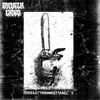
Rip-roaring, grinding death metal with a steadfast refusal to take itself too seriously.
2y
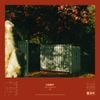
How To Disappear is a return to sadness, dissecting personal grief and mental health. It’s still very much rooted in their take on melodic post-hardcore, with branches spreading out to touch on alt rock and hints of shoegaze; it’s also just as gut-wrenching as you’d expect, weaving tales about the concept of absence.
2y
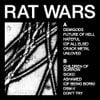
Updating the nihilism of GODFLESH or NINE INCH NAILS for the online generation is a hard task, but HEALTH are adept at creating that, while existing in their own space.
2y
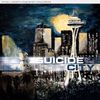
It’s most certainly rooted in the approach to modern metalcore evidenced on Eternal Blue but does show more of that drive to move beyond its borders, just as Rotoscope did, though arguably to a greater degree.
2y
While it’s mostly a collection of already-known material, it shows their blend of styles with aplomb, and makes a strong case for them to be a name on everyone’s lips sooner rather than later.
9mo
None of this should work together – but it does, because The Callous Daoboys have such a tight handle on their songwriting, and an unshakeable belief in the brilliance of absurdity.
2y
Whether or not she found salvation through this process is almost immaterial; the search for meaning and safety is laid bare, an uneasy and despairing listen that might not discuss trauma any more but is still rooted in it.
2y
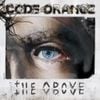
The Above takes what CODE ORANGE already did, every part of their DNA, and radically rearranges it in bold new forms. For a band that pushed the boundaries of their hardcore and metal roots by incorporating industrial glitch and grind, this is a fearless leap into the unknown, and it almost entirely pays off.
2y
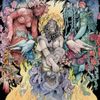
BARONESS’ refusal to repeat themselves and to evolve in some way with every record has paid off hugely here; while Stone takes its time to truly release its secrets, once it does it’s a truly arresting album that sinks its hooks in deep.
2y
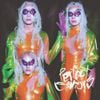
Perfect Saviors is everything THE ARMED have been working towards, a radical redefinition of what people can expect from them, an explosion of emotion, barbed, tongue-in-cheek lyrics; if THE STROKES dropped acid, you’d possibly get a short way to finding out just how far out THE ARMED have managed to not only go, but nail every step.
2y
1
2