

EvenxFlow
56th & Wabasha
Recently Rated

Recent Reviews
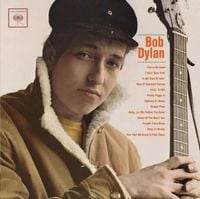
Dylan debuts with a good collection of traditional folk songs and his first couple songwriting credits on Talkin' New York and Song to Woody. Dylan's voice serves very well on most the songs he covers here, especially Fixin' to Die and House of the Risin' Sun. Not much to really talk about, if you like traditional folk, you can enjoy this album for what it's worth. Dylan has much higher highs on the way.
Favorite tracks: House of the Risin' Sun, Talkin' New York, You're No Good
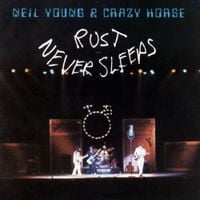
This album is a two headed monster. Neil's voice catches some flak, but I feel it suits this album's style quite well. Neil is a great lyricist, and this is clear throughout side 1. The album starts out very strong with two excellent tracks in My My, Hey Hey & Thrasher, Neil really goes in on himself on some of these songs, its a very solid folk record through the first 5 tracks.
Then Powderfinger starts up, and all of a sudden, you're listening to a much different album. Powderfinger is ... read more
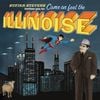
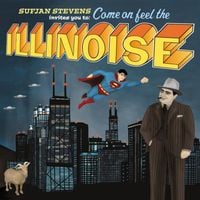
Illinois is one of those states that wont get much publicity outside the city limits of Chicago. But all the credit in the world to Sufjan Stevens for turning it into the setting of this fantastic album, that wonderfully mixes heartfelt lyrics with absolutely gorgeous baroque pop production.
Sufjan uses the state of Illinois' places and characters, both real and fake, to craft an incredible story steeped in faith in God, and in humanity. This album plays with your emotions quite a bit; songs ... read more
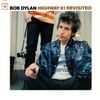
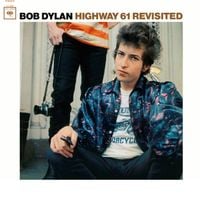
There's a good reason many point to Highway 61 as the quintessential Dylan album. It wastes no time, from the snare hit that opens Like a Rolling Stone, to the fade out of Desolation Row.
Highway 61 is rooted not just in Dylan's personal past as a Woody Guthrie disciple turned finger pointing folksinger, but in the heart of America itself. It is equal parts Ginsberg as it is Robert Johnson. Highway 61 takes from both the beat movement that surrounded New York's Greenwich Village, as well as ... read more

"Here I sit so patiently
Waiting to find out what price;
You have to pay to get out of;
Going through all these things twice"
This album's greatest trait is embedded in it's sound. A sound Dylan pursues throughout his iconic electric trilogy. Dylan describes it as a "thin, wild, mercury sound" and "The sound of bells and distant railroad trains and arguments in apartments and the clinking of silverware and knives and forks."
Blonde on Blonde is this sound ... read more
About
4 billion years old, i have read every cookbook ever made
Rating Distribution
Become a Subscriber
Subscriber badge, no ads + more benefits.
Subscriber badge, no ads + more benefits.
Advertisement

Member since May 16, 2024