

Gaynor heralds the early period of disco with a debut album uneven by its two sides:
side 1 steals the show - three rapturous, extended disco songs seguing into each other for an 18-minute ritual of dance; side 2 belonging, unfortunately, to monotonous balladry that drains the energy built on the record's first side.
an entirely solid disco album (even outside the obvious hit), Gaynor even surpasses her '75 debut with "filler" songs that are memorable on their own - "Stoplight" effectively signals the party's start; "Anybody Wanna Party?" gets everyone down; the balladry even manages to be most appropriate for this hazy dance floor.
not merely any subsitute, Gaynor remains a headlining act of the disco era with the help of "Love Tracks".

acoustic musicianship of a most calming and aching quality, an album irrelevant of space and time.

produced by Yuji Toriyama to the chunky synth-pop sound of his latest album "A Taste of Paradise", this song was only included in the Japanese edition of Jackson's "Control".
in practice, this song sounds out-of-place with the New Jack Swing whomp of the rest of "Control". to her credit, this is an interesting glimpse into Jackson and her brushes with the Japanese market during her career.
in fact, Jackson starred in a Japanese commercial for a VHS player ... read more

a new single from Sade, that's nice - she's still in the music game and has something to say - but this offers little distinction from older work, nor renews interest that future releases will sound progressive.
unfortunately, this release doesn't boast the version of "Smooth Operator" either seguing into "Red Eye" or "Snake Bite" that are present on the 12-inch releases of "Smooth Operator" or "Your Love is King".
still, demonstrating this mini-album's worth in the high prices physical copies fetch online, this is the only release where some of these extended mixes are available on compact disc. an interesting collection.
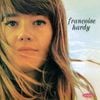
a frustrating progression from her debut, this album sets Françoise to noisy orchestral backings and soul elements, yet using a singing similar to her debut.
Françoise resembles here a youth unsure of how to process an event - trying to convince herself that she's fine inside, when, rather, her thoughts become louder as she tries to stay somewhere static and familiar.

released to the breakthrough that was her debut single "Walkin' After Midnight", Cline soothes and rumbles to listeners these vivacious tunes of kept romance and anecdotal heartbreak.
yet a poised title in the country pantheon, "Patsy Cline" reaches a higher class with its salt-of-the-earth honky-tonk accompaniment and Cline's husky snarl and wisdom, all of which comforts a melancholy familiar to all.
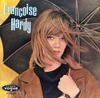
heartstrung laments and flutters from a French eighteen year-old's softly beating core.
what makes Hardy's debut a transcendent composition is her humming with achingly humble accompaniment; her singing's lilting quality and the sparse rockabilly beat to love-lorn notes craft such melodious and relatable listenings for anyone of any generation - Françoise echoes forever with her universally youthful debut.
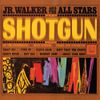
the utmost of 1960s rhythm-and-blues - it's such jumpy and saucy soul on the first side, and relaxedly slick tunes on the second that builds the mood up again; Jr. Walker and his All Stars shoot their shot with this bombastic, honky delight that manages to, in twelve songs, warm up a party, set it on fire, cool it down, and shake it down. (ain't that the truth?)
a formidable artifact of the soul genre, the mid-60s Motown circuit remains fabled as evidenced by this release.
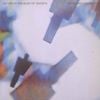
Byrne doubles down on collaborating with Eno after "Remain in Light" towards true experimentation for this useless amalgam.
it's incredibly stylistic, sure - Afrobeat to the Western sensibility of conceptualism and sampling, but there remains no statement. rather, this is a curio for White Westerners to marvel that these music intellectuals could somehow achieve this self-aggrandising "collision" of cultures.
ethnic experimentation doesn't translate into merit.

Madonna enlists Price to invigorate her follow-up to the commercial and critical anguish that was "American Life". the end product is a reminder of her disco calling that was both her '83 debut and '87 EP, usurping her previous album's lament and worry, and crowning escapism as the party reigns.
in "Confessions-", Madonna achieves a ubiquitous quality by celebrating love and resilience, refuting present limits and reverberating on.
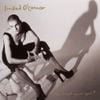
following the success of "I Do Not Want-", O'Connor releases a red herring to the public anticipating another alternative-rock sound.
to her chagrin, she doesn't offer much to these tunes that other vocalists already lay a higher claim to. the orchestral accompaniment manages to overshadow her tame singing on several songs.
a mediocre listening, "Am I Not Your Girl" remains a surplus jazz endeavour - a pretty pebble rather than a stepping stone in her career.
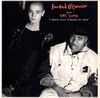
the jangle pop flavour of "i want your-" could've been set to a bold stride with this east coast hip hop morphing, but the end product here feels more like a lame walk.

a brazen extended mix that becomes a feminist anthem with Karen Finley's crazed lines and screeching.
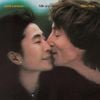
excerpts from the "Double Fantasy" sessions that didn't match its mellow and cool, which is what makes this album as enjoyable or more than.
with the sore-to-touch dedications of love on the LP's second side, and, especially, with Lennon's jaunty, larger-than-life songs and Ono's quirky ditties that was the LP's first side, "Milk & Honey" presents happier days and lessons, making a more thoughtful listen.
a heartwarming farewell to Lennon.

now equipped with a belt of formidable dance tunes and in the company of remixers Shep Pettibone and Jellybean Benitez, Madonna relies on sound instead of image and sends to listeners an invitation she hasn't sent since her debut - an invitation simply to dance, reminding fans of her original calling as dance ingenue.
for a ready-to-play dance kit, Madonna's "You Can Dance" is one that serves its purpose to long-lasting ease and durability.

relying on the transformational medium that was MTV, Madonna attempts to cement herself in the pop pantheon by spreading herself open to the public with the raucous title track.
in fact, her sophomore album is a considerable decline from her debut, with dated synth production harking to the Reagan years and the inclusion of album-only songs that remain half as interesting as the singles. à la Bowie, she enlists Rodgers to beef up her songs to an agreeably dance-able character.

twisting her way through the New York dance floors, this young girl from the Rust Belt manages to snag a record deal with Sire Records and team up with a selection of spry producers to create this timeless debut of a party record.
pure pop confection, with only one slight dud on each side ("I Know It", "Think of Me"), this collection of bubbly and infectious post-disco grooves remains an essential marker of the 1980s in music and offers a damn good time.
Create an account to rate and review albums.
Recent Review Comments
No review comments
Advertisement