
pitchdork
Chicago, IL
Favorites

Best of 2026
Recently Rated
Recent Reviews
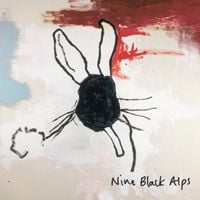
By 2005, the post-Nevermind alternative-rock economy had entered its late-stage replication cycle. Labels were no longer searching for the next Nirvana so much as the next band that vaguely resembled three better bands simultaneously. Manchester’s Nine Black Alps arrived squarely within this ecosystem, carrying enough fuzz pedals, flannel residue, and sullen melodicism to briefly convince the British music press that salvation might once again emerge through loud guitars and ... read more
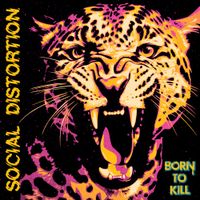
At a certain point, an excessively delayed rock album stops functioning as a release schedule problem and starts becoming mythology. By the time Social Distortion finally released Born to Kill in 2026—a mere sixteen years after 2011’s Hard Times and Nursery Rhymes—the gap had become so comically prolonged it threatened to enter the same category of development purgatory occupied by Guns N' Roses, New Order, and late-era Metallica. Entire genres rose, collapsed, and were ... read more
There is a very specific species of 2020s alternative band that seems to emerge fully formed from an algorithmic terrarium: attractive people with 90s-inspo vintage jackets, immaculate hair, a few analog synth plugins, and just enough regional flavor to survive branding meetings about “authenticity.” Nashville’s In Color arrive with Snow Day sounding less like a group discovering an identity than a band meticulously assembled to soundtrack the exact moment a gen-z couple ... read more
Midway through the 2020s, shoegaze had become strangely comfortable with itself. What was once music of collapse, sensory overload, and psychic disintegration had increasingly drifted toward lifestyle branding: beautiful distortion for expensive headphones, soft-focus melancholy engineered for algorithmic “doomgaze” playlists, endless bands treating DIIV, Slow Crush, and Wisp less as influences than as commercially optimized templates. The edges were gone. The danger was gone. Even ... read more
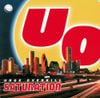
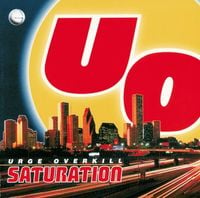
By 1993, alternative rock had already begun calcifying into commerce. What started as regional scenes and college-radio weirdness was rapidly becoming an industry language: flannel melancholy, distortion pedals, and the profitable illusion of authenticity. Most underground bands confronted this shift awkwardly, either sanding themselves down for MTV or retreating deeper into anti-commercial stubbornness. Urge Overkill chose a stranger route. Saturation sounds like a band fully aware they were ... read more
About
Pitchfork-style reviews of all the albums they ignored! 😏😏
----
Sunday: Classics (pre-2010) albums that Pitchfork ignored (5 reviews)
Mon/Tue/Wed/Fri: New Music Monday - albums released this year that Pitchfork ignored (5 reviews)
Thursday: Twenty-Teens Thursday - albums from 2010-2024 that Pitchfork ignored (5 reviews)
Saturday: Reevaluation/correcting Pitchfork scores from albums they rated (5 reviews)
----
Sunday: Classics (pre-2010) albums that Pitchfork ignored (5 reviews)
Mon/Tue/Wed/Fri: New Music Monday - albums released this year that Pitchfork ignored (5 reviews)
Thursday: Twenty-Teens Thursday - albums from 2010-2024 that Pitchfork ignored (5 reviews)
Saturday: Reevaluation/correcting Pitchfork scores from albums they rated (5 reviews)
Around the Web
Rating Distribution
Become a Subscriber
Subscriber badge, no ads + more benefits.
Subscriber badge, no ads + more benefits.
Advertisement
Recent Lists
Remember the iconic 2.7 panning of Young the Giant? Here is the rabbit hole if we went ultra meta.
Updated 11mo ago 1







Member since February 1, 2025