

I found "Hellmouth" in April of 2025, and "Two Lips" in June of the same year.
These two tracks are clear standouts among the album—a sentiment reflected in streams.
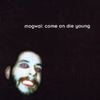
Nostalgia, melancholy, solitude—what do these three things have in common? Mogwai.
There’s more to be said about this album, its steep reclaiming of purpose, and the band’s recovery, but I can’t quite put it into words. You feel it in your soul on a quiet night, and if you're lucky, you live outside it too.
I took a chance on Mogwai—even after my unfavorable encounter with "Young Team"—and boy am I glad I did.
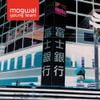
Toes the line between mindless drone and brash indulgence—just enough to either give you a headache, or leave you confused. At best, it’s music for the sake of music: without reason, and that’s okay… I guess.
The complacent staleness is what really bothers me. Why pioneer if you’re only going halfway?
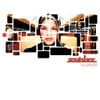
Strikes brilliance early, then proceeds to crawl headfirst into the land of meh. We recover slightly near the end, but nothing truly stands out. Honestly, the secret 12th track ranks among the top three here—and is closer to what I expected from this project. Shame.
The random pops, clicks, and panning COULD be intentional, but even then, ruin the listening experience of the best tracks for me.

Trip hop's back! Well… sort of.
Deki Alem have already proven themselves more than capable of emulating that ’90s trip hop sound, but the weak spots start to show the more they rely on beats over delivery and songwriting.
As they improve, we may see something akin to a modern Massive Attack—provided they lean less on derivation.

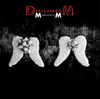
It's clear that 2017 marked a turning point for Depeche Mode, as life pours into an album not too dissimilar from that of 30-something years ago.
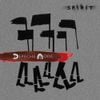
"Spirit" is their best project since "Ultra," and nearly as consistent as "Black Celebration."
That might sound crazy—I almost can’t believe it myself—but to me, it’s true. Here, Depeche Mode rockets forth from a four-album slog where they at times proved they could still make hits, just not cohesive albums. "Spirit" proves they still have plenty of life left, and its political undertones only amplify that fact.
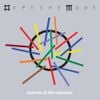
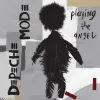
Some may sing their praises for "Playing the Angel" because they need loud noises to stay stimulated, but much like "Exciter," "Sounds of the Universe" shows Depeche Mode once again in the driver’s seat of slow, sultry synthpop, with groovy yet not overdone production. In a way, it feels like an updated version of what they were doing in the early 80s, and Dave Gahan's voice has aged perfectly alongside it.
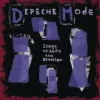
"Songs of Faith and Devotion" tightly blends Depeche Mode's signature sound, its use of samples, and the changing times of the 90s—a miracle of vocal strength despite the band's struggles.
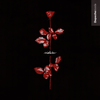
It's easy to see why "Violator" is so beloved, but beyond first impressions, you'll find the track list here is quite spotty (considerably dwarfed by high highs)—and maybe best left unexamined.
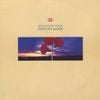
Having released only a year apart, the production here pierces through the veil of "Black Celebration"—an omen of what's to come.
The first in Depeche Mode's discography to truly exceed anything before it.
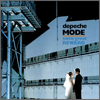
"Some Great Reward" is surely an improvement, but one at times that's blander for the sake of cohesiveness. If Depeche Mode's discography were a road trip, I may still be asking: "Are we there yet?"
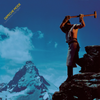
For me, this is where things really come together—here, they prove themselves.
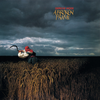
A few misses here and there, but you can really feel them start to head in the right direction.
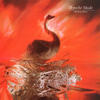
The production outdoes the vocals—still, quite charming.
I was surprised to learn "Just Can't Get Enough" originated here.
Create an account to rate and review albums.
Recent Review Comments
On Val <3's review of Die So Fluid - The Opposites of Light
"This one really caught me off guard, such a step up in every way."
On Val <3's review of Die So Fluid - The World Is Too Big for One Lifetime
"Grog is one of the most underrated vocalists ever! I especially enjoyed her work during her time with Feline."
Advertisement