
Recently Rated

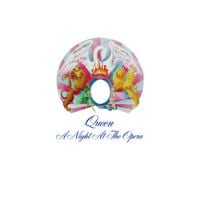
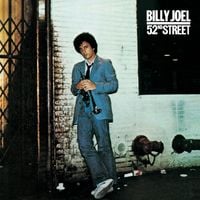
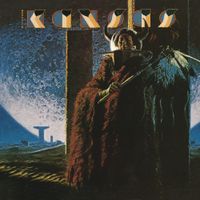
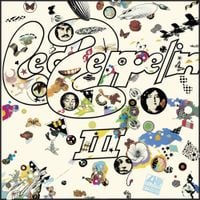
Recent Reviews
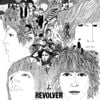
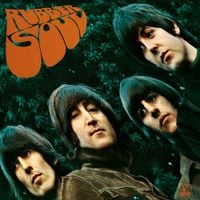
1966 is a centerpiece year for british youth culture: England's football team wins the world cup, the Hendrix's myth explodes in London and the Beatles' "Revolver" is released. By that time, the band is so well established at the very pinnacle of the british coolness that they stated as they felt of not having idols anymore, to be influenced more by themselves than by any other. After the significant maturation they went through with "Rubber soul", the authors continued ... read more
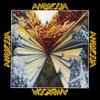
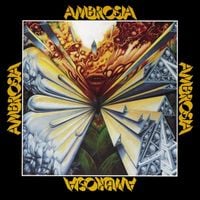
No band else ever has been as crossover as Ambrosia, passing through a musical journey that started as pop rock in the likes of the Beatles and CS&N, then enhanced by a progressive refinement in the awareness of King Crimson and Yes, subsequently facing a major glossy shift towards blue-eyed soul and yacht rock with a final stint in new wave and hard rock territories. Their backbone was a secure melodic sensibility and a remarkable instrumental prowess, elements that permitted the band to ... read more
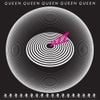
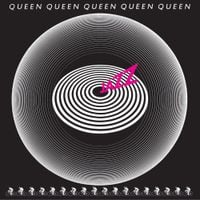
This album marks the end of identitary certainty for Queen, who for the last time employs on a lp full-lenght its consolidate, distinguished art and pomp rock. The '70s are almost done and the band is engaged in the fiscal consolidation and capital solidity of the Queen company, arguing over money and royalties distribution, causing a state of resentment and egoism that proves hard the cohesion of the band. Furthermore the "Jazz" album is designed after the proclaimed war to the band ... read more
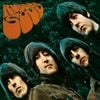
The Beat phenomenon dies in April 1965, when Fab Four's "Ticket to ride" is released as a single, anticipating the forms of rock to come, through a revolutionary, dissonant and instrumentally heavy tune about uncaring mercenary love. A little later is issued their last naive commercial reassuring record, "Help!". In the summer of 1965 the band inaugurates a new period of inspiration drawing on marijuana and first LSD trips, to conceive a new musical development, searching ... read more
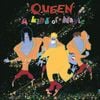
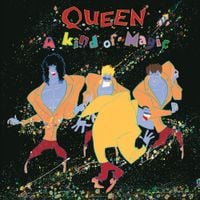
It's hard to say what kind of album would have been next in Queen's discography after the "Works" back to formula in 1984, if the band had not the proposal to write the score for 1986's Russell Mulchay's cult movie "Highlander". Maybe another mixed offer with chart anxiety like 1980's "The game", certainly not dusting off the 70's art and pomp, but dealing with the dilemma of making personal legend meet with new pop forms and tendencies. That's the critical terroir ... read more
Rating Distribution
Become a Subscriber
Subscriber badge, no ads + more benefits.
Subscriber badge, no ads + more benefits.
Advertisement





Member since October 15, 2022