
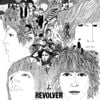
1966 is a centerpiece year for british youth culture: England's football team wins the world cup, the Hendrix's myth explodes in London and the Beatles' "Revolver" is released. By that time, the band is so well established at the very pinnacle of the british coolness that they stated as they felt of not having idols anymore, to be influenced more by themselves than by any other. After the significant maturation they went through with "Rubber soul", the authors continued ... read more

No band else ever has been as crossover as Ambrosia, passing through a musical journey that started as pop rock in the likes of the Beatles and CS&N, then enhanced by a progressive refinement in the awareness of King Crimson and Yes, subsequently facing a major glossy shift towards blue-eyed soul and yacht rock with a final stint in new wave and hard rock territories. Their backbone was a secure melodic sensibility and a remarkable instrumental prowess, elements that permitted the band to ... read more
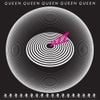
This album marks the end of identitary certainty for Queen, who for the last time employs on a lp full-lenght its consolidate, distinguished art and pomp rock. The '70s are almost done and the band is engaged in the fiscal consolidation and capital solidity of the Queen company, arguing over money and royalties distribution, causing a state of resentment and egoism that proves hard the cohesion of the band. Furthermore the "Jazz" album is designed after the proclaimed war to the band ... read more
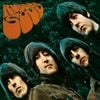
The Beat phenomenon dies in April 1965, when Fab Four's "Ticket to ride" is released as a single, anticipating the forms of rock to come, through a revolutionary, dissonant and instrumentally heavy tune about uncaring mercenary love. A little later is issued their last naive commercial reassuring record, "Help!". In the summer of 1965 the band inaugurates a new period of inspiration drawing on marijuana and first LSD trips, to conceive a new musical development, searching ... read more
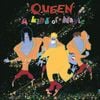
It's hard to say what kind of album would have been next in Queen's discography after the "Works" back to formula in 1984, if the band had not the proposal to write the score for 1986's Russell Mulchay's cult movie "Highlander". Maybe another mixed offer with chart anxiety like 1980's "The game", certainly not dusting off the 70's art and pomp, but dealing with the dilemma of making personal legend meet with new pop forms and tendencies. That's the critical terroir ... read more

Folded by managerial tribulations and resentment over lack of profit despite their ascending career, the band relies on new manager John Reid and delivers its best album, experimenting beyond the recording techniques possibilities and unraveling in the most disparate musical genres.The lp marks the full maturation of Brian May's identitary skills, surpassing himself in a painstaking guitar work, with which he demonstrates his total mastery over the instrument effects.This album is treated with ... read more
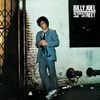
A Grammy award winner album, Billy Joel’s 6th studio album, "52nd street" takes its name from the famed New York jazz district, where the lp was actually recorded. The sound is broader than previous releases, with a selection of tracks very diverse the one from the other, not to mention that Joel's playing sounds particularly enthusiastic. "Big shot" starts the album with a bang, marked by a solid rock motif. "Honesty" assumes the role of the big glossy ... read more
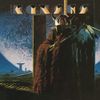
As Kerry Livgren stated in a quite recent interview, Kansas began a prolonged down slope in terms of quality post "Point of Know Return". The 1979's release "Monolith" is a very mannered, unfocused and stale offering from a band that just before positioned itself at the top of american progressive music, suffering from ideas badly molded together from which you can feel a drain of inspiration and an evident fatigue in the Kansas' camp. Some of the tracks are easily the worst ... read more
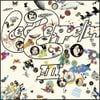
Aiming to pause the busy working schedule that launched them in precocious super stardom, in the early spring of 1970 Led Zeppelin took time to relocate to the remote Bron-Y-Aur cottage in the welsh park of Snowdonia, where they came up with the acoustic disempowerment of their sound that is the more evident newness about their third studio album. The record is concretely halfway between what was before and what will be in the future and it represents their proper career turning point, as well ... read more
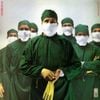
Having in mind that Ritchie Blackmore's call was his once in a lifetime big time opportunity, talented vocalist Joe Lynn Turner just kills it in "Difficult to cure", throwing open a new exciting chapter in Rainbow's history. Eleventh hour's expert (notoriously called - the same will be in his Deep Purple tenure - when the recording process had been long in the making), Turner sings his heart out on every track of this 5th Rainbow's lp, passing his test with honors, also signing a ... read more
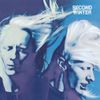
Recorded in Nashville during the summer of 1969, "Second winter" marks the extension of Johnny's original rock blues trio to his brother Edgar, so adding keyboards and wind instruments to the mix, dramatically broadening the sound and genre possibilities. Produced by the brothers themselves, the lp has the merit to expand the limitations of the blues rock format towards psychedelia operating also on the instruments tone saturation and sound compression, till exaggerating in the mix ... read more
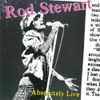
This live album assembles the best known Sir Roderick CBE's songs up at that time and just sums up in a definitive way his period of relevance for pop rock music. Liner notes stress out how these live recordings are raw as they are authentic, with no overdubs, no editing of performing mistakes, no tamper of audience response and maintain clear report of female stage invaders. However the overall quality is a bit flat and the sound quite muffled, so maybe Rod the Mod should have not retained for ... read more
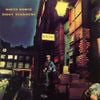
The fifth studio album is Bowie's definitive commercial breakthrough, offering a focused irresistible set of songs coping about an androgynous bisexual alien ("Moonage daydream") performing a suicide parable-like mission on a soon to collapse planet Earth ("Five years") in which he assimilates the earthlings' cultural features from love ("Soul love") to mass appeal allure ("Starman", "Star") utilising music as a crucial medium for ... read more
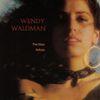
Wendy Waldman is one of the most gifted american singer-songwriter, who has always enjoyed strong critical acclaim, but never reached the commercial success she deserved because of the poor label support and promotion she received. 1976's "The main refrain" may be her best album, along with her terrific 1973's debut lp, and is the second to last record published through Warner Brothers. The album witnesses the full maturation of her distinguished composition style, notable for ... read more
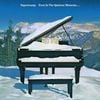
A study in mellow pop forms, the run-up that will lead the band to the mega smash hitmaker "Breakfast in America" is played safe with a check out of their melodic skills, paid off in a consolidation of their increasing success in the U.S. Roger Hodgson's "Give a little bit" is perfect pop cleverness headed to an outstanding climax celebrating the affection fellowship between the band and its fans. Rick Davies indulges in his inclination for '50s piano ballads with the triad ... read more
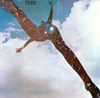
Almost entirely written by the Fraser/Rodgers partnership, Free's second studio album sold poorly even if the material is among the best the rock blues scene had to offer at the time of its release. "I'll be creeping" builds a sophisticated theme about the blues recurring figure of the possessive lover. "Songs of yesterday" is strictly led by the bass, from which the tune has been composed, and benefits from appropriate time changes and a free rein storming performance by ... read more
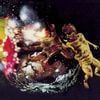
Last album of the band’s first incarnation, it’s a soaring and vibrant, mostly instrumental, selection from a group of musicians trying to look tight as ever but, underneath the surface, torn apart by a life of excesses. The opening jam immediately exploits a fierce guitar shredding duel between Carlos and the new addition, twin-lead guitarist kid Neal Schon, which continues in the subsequent track “No one to depend on”, that really is in some sort the heaviest track up ... read more
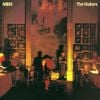
By the time of their last (for nearly 40 years) album, Abba’s expertise in crafting successful music was as sharp as a knife. It was time for them to face the challenge of remaining relevant in the uncertain ‘80s.
Despite it’s not their best record by any means, the musical genius of Björn and Benny is still there in “The visitors” lp, though sparsely diluted throughout it.
The title track is the modern clever electronic feel the band should have persued if ... read more
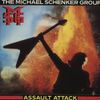
A major reshuffle in the Group line up does no harm and in 1982 Michael Schenker delivers again another brilliant record, if the least solid of a golden triad. The harsh loud screamy vocal style of the newcomer Graham Bonnet suites well to a resolute hardening of the songs’ taste, although the material is less wild, wacky and imaginative than the one contained in the two first MSG records. The title track rocks hard and fast but the manic sung part has been sticked a bit rudely with the ... read more
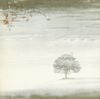
On this record we have a lively interplay but (to the listener’s dismay) Hackett is the less prominent musician in the recordings, anticipating his soon to be departure from the band, as he was disillusioned with the rejection of his compositions (in favour of Banks’ material) and the band’s choice to introduce instead simpler, shorter songs he considered “underdeveloped harmonically”.
In fact Tony Banks dominates the album, not only as the main writer, but he is ... read more
1
2
Create an account to rate and review albums.
Recent Review Comments
Advertisement