
hellfire chat voting!!!!
you shall vote from this list of albums for the ones you believe the hellfire chatters should collectively listen to
you can vote for as many albums as you want
the one with the most votes will be the one listened to
people from hellfire chat can vote here
VOTING HAS CLOSED
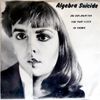
51.
The second page will be dedicated to explaining what some genres are, that the voters might not know about. Please read if you don't understand what some genres sound/are like
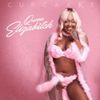
52.
Elizabethan Song
"Monophonic style developed in Renaissance England that is typically composed in strophic form for one to several vocalists with instrumental accompaniment ranging from solo lute to chamber ensemble"
Samba-canção
"Romantic, commercial form of Samba that was popular in Brazil between the 1930s and the 1950s."
Electroacoustic
"Electroacoustic music involves the electronic manipulation and processing of sounds, including acoustic sources like Field Recordings and Spoken Word, and synthetic sources generated by various means, with techniques and effects such as looping and layering, crossfading, speeding up and slowing down, spectral analysis, reversing, reverb and distortion to create atmospheric and vivid yet abstracted pieces."
C86
"C86 is a loose term covering an array of 1980s British Indie Pop groups rooted in Jangle Pop, with a more ramshackle sound that also pulled from Post-Punk and, in the latter half of the decade, Noise Pop."
"Monophonic style developed in Renaissance England that is typically composed in strophic form for one to several vocalists with instrumental accompaniment ranging from solo lute to chamber ensemble"
Samba-canção
"Romantic, commercial form of Samba that was popular in Brazil between the 1930s and the 1950s."
Electroacoustic
"Electroacoustic music involves the electronic manipulation and processing of sounds, including acoustic sources like Field Recordings and Spoken Word, and synthetic sources generated by various means, with techniques and effects such as looping and layering, crossfading, speeding up and slowing down, spectral analysis, reversing, reverb and distortion to create atmospheric and vivid yet abstracted pieces."
C86
"C86 is a loose term covering an array of 1980s British Indie Pop groups rooted in Jangle Pop, with a more ramshackle sound that also pulled from Post-Punk and, in the latter half of the decade, Noise Pop."
![衛藤公雄 [Kimio Eto] - Art of the Koto: The Music of Japan](https://cdn2.albumoftheyear.org/100x0/album/331427-art-of-the-koto-the-music-of-japan.jpg)
53.
Sōkyoku
"Sōkyoku is a style of Japanese Classical Music that gained popularity during the Edo period. It is played with a koto or a guzheng (its Chinese ancestor) and can sometimes be accompanied by shamisen and/or shakuhachi."
Min'yō
"Min'yō is a form of Japanese Folk Music which literally translates as "folk song". They are associated with work, religious rites, festivities, weddings and funerals."
Danmono
"Danmono is a specific form of Sōkyoku composed for koto, a thirteen-string traditional instrument."
Nueva canción latinoamericana
"The Nueva canción ("new song") movement was originally developed in Latin America during the 1960s. It has been associated with the rise of leftist social movements in this region and influenced by historical events such as the Cuban Revolution. Lyrically, nueva canción artists gave special attention to politically-charged messages that had a strong relationship with these series of events, while musically, it strove for a renewal of traditional Latin and Hispanic American Folk Music expressions"
Nueva canción chilena
"Nueva canción chilena ("Chilean New Song" or NCC for short) was born from a movement in Chile during the 1960s that sought to recover traditional Chilean folk music and fuse it with socially conscious lyrics as well as the instruments and rhythms of the entire Latin American region."
Conjunto andino
"Conjuntos andinos are urban folk ensembles characterized by musical instruments of Andean Indigenous origin or association"
Cantata
"Vocal style for solo singers with instrumental & Choral accompaniment comparable to Oratorio, though often smaller in scale, more songlike, and with less focus on dramatic narrative."
"Sōkyoku is a style of Japanese Classical Music that gained popularity during the Edo period. It is played with a koto or a guzheng (its Chinese ancestor) and can sometimes be accompanied by shamisen and/or shakuhachi."
Min'yō
"Min'yō is a form of Japanese Folk Music which literally translates as "folk song". They are associated with work, religious rites, festivities, weddings and funerals."
Danmono
"Danmono is a specific form of Sōkyoku composed for koto, a thirteen-string traditional instrument."
Nueva canción latinoamericana
"The Nueva canción ("new song") movement was originally developed in Latin America during the 1960s. It has been associated with the rise of leftist social movements in this region and influenced by historical events such as the Cuban Revolution. Lyrically, nueva canción artists gave special attention to politically-charged messages that had a strong relationship with these series of events, while musically, it strove for a renewal of traditional Latin and Hispanic American Folk Music expressions"
Nueva canción chilena
"Nueva canción chilena ("Chilean New Song" or NCC for short) was born from a movement in Chile during the 1960s that sought to recover traditional Chilean folk music and fuse it with socially conscious lyrics as well as the instruments and rhythms of the entire Latin American region."
Conjunto andino
"Conjuntos andinos are urban folk ensembles characterized by musical instruments of Andean Indigenous origin or association"
Cantata
"Vocal style for solo singers with instrumental & Choral accompaniment comparable to Oratorio, though often smaller in scale, more songlike, and with less focus on dramatic narrative."
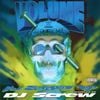
54.
Chopped and Screwed
"Chopped and screwed is a Hip Hop remixing technique pioneered by the late Houston producer DJ Screw. Developed in the early 1990s as a primarily Southern Hip Hop style, the technique later spread to other scenes through the sale of screwed mixtapes ("screwtapes") and screwed versions of full length albums. The itself comes from two of the core mixing techniques; "chopping" referring to the skipping effects, and "screwing" referring to the drop in the original music's tempo."
Dirty South
"Originated in the Southern US during the mid-1990s, defined by a bouncy rhythm, fast-tempo snares, 808s, heavy bass, and often rapped in a rhythmic delivery consisting of explicit lyrics."
Freakbeat
"Combined elements of British Rhythm & Blues, Beat Music, and Pop Rock with the studio effects of Psychedelia - fuzztones, flanging, chorus - to create a style often seen as a British relative of American Garage Rock and Psychedelic Rock."
Acid Rock
"Acid rock, so named for being a supposed background music for acid (LSD) trips, grew out of the Psychedelic Rock scene of the mid-to-late 1960s in the United States. Its experimentation was further removed from the Rock and Blues base of earlier psychedelic music, yet not quite as heavy as its close companion Heavy Psych. Acid rock still features the extended instrumental jamming and improvisation of the psychedelic era, with more emphasis on 'wah' effects than the distorted 'fuzz' of hard psych, and a willingness to employ more subdued textures. The term has largely fallen out of favor since the mid-1970s, as bands of the style either disbanded or adopted the traits of what is now known as heavy psych."
Raga Rock
"Raga rock is a Psychedelic Rock subgenre which incorporates prominent elements of South Asian Music."
Microhouse
"Microhouse is a stripped down, minimal form of House music, originating in the late 90s, which takes influence from Minimal Techno, Glitch and IDM."
"Chopped and screwed is a Hip Hop remixing technique pioneered by the late Houston producer DJ Screw. Developed in the early 1990s as a primarily Southern Hip Hop style, the technique later spread to other scenes through the sale of screwed mixtapes ("screwtapes") and screwed versions of full length albums. The itself comes from two of the core mixing techniques; "chopping" referring to the skipping effects, and "screwing" referring to the drop in the original music's tempo."
Dirty South
"Originated in the Southern US during the mid-1990s, defined by a bouncy rhythm, fast-tempo snares, 808s, heavy bass, and often rapped in a rhythmic delivery consisting of explicit lyrics."
Freakbeat
"Combined elements of British Rhythm & Blues, Beat Music, and Pop Rock with the studio effects of Psychedelia - fuzztones, flanging, chorus - to create a style often seen as a British relative of American Garage Rock and Psychedelic Rock."
Acid Rock
"Acid rock, so named for being a supposed background music for acid (LSD) trips, grew out of the Psychedelic Rock scene of the mid-to-late 1960s in the United States. Its experimentation was further removed from the Rock and Blues base of earlier psychedelic music, yet not quite as heavy as its close companion Heavy Psych. Acid rock still features the extended instrumental jamming and improvisation of the psychedelic era, with more emphasis on 'wah' effects than the distorted 'fuzz' of hard psych, and a willingness to employ more subdued textures. The term has largely fallen out of favor since the mid-1970s, as bands of the style either disbanded or adopted the traits of what is now known as heavy psych."
Raga Rock
"Raga rock is a Psychedelic Rock subgenre which incorporates prominent elements of South Asian Music."
Microhouse
"Microhouse is a stripped down, minimal form of House music, originating in the late 90s, which takes influence from Minimal Techno, Glitch and IDM."

55.
Musique concrète
"Manipulation of recorded sounds, mostly Field Recordings, natural sounds, and real-world noises, as a process of abstracting "concrete" sounds, or "sound objects", from their acoustic origins."
Hypnagogic Pop
"Hypnagogic pop emerged in the 2000s as a broad movement of underground Neo-Psychedelia and Noise artists who began making music unified by a similar approach: nostalgic reminiscences of 1970s/1980s popular music and consumer culture, filtered through hazy, low-fidelity production. Artists, drawing on their childhood memories, frequently employ or emulate outdated recording technology (analog synthesizers, retro FX) and privilege formats such as cassette and VHS to evoke the era."
Chillwave
"Chillwave is a style of Indietronica characterized by its emulation of the vintage aesthetics and musical styles of the 1980s/1990s as a means of evoking a sense of nostalgia. Its use of older analog musical styles are altered through modern recording technologies (laptops, samplers, etc.) and techniques to create a hazy dreamlike atmosphere."
Ambient Dub
"Chillout genre taking cues from Ambient and Dub reggae, featuring the atmosphere of the former and the Jamaican-style basslines, percussion, and psychedelic production techniques of the latter."
Porn Groove
"Porn groove is a music genre that's primarily found in the soundtracks to Pornographic films of the 1970s. The original use of porn groove is to imitate the sexual actions (through audio) that appeared on screen in those films.The most notable and common aspect of porn groove is the use of an electric guitar with a wah-wah pedal to carry out the melody. Other aspects of the genre include (but are not limited to) Funk-inspired slapped bass guitar and minimalistic drums with emphasis on the rimshot."
"Manipulation of recorded sounds, mostly Field Recordings, natural sounds, and real-world noises, as a process of abstracting "concrete" sounds, or "sound objects", from their acoustic origins."
Hypnagogic Pop
"Hypnagogic pop emerged in the 2000s as a broad movement of underground Neo-Psychedelia and Noise artists who began making music unified by a similar approach: nostalgic reminiscences of 1970s/1980s popular music and consumer culture, filtered through hazy, low-fidelity production. Artists, drawing on their childhood memories, frequently employ or emulate outdated recording technology (analog synthesizers, retro FX) and privilege formats such as cassette and VHS to evoke the era."
Chillwave
"Chillwave is a style of Indietronica characterized by its emulation of the vintage aesthetics and musical styles of the 1980s/1990s as a means of evoking a sense of nostalgia. Its use of older analog musical styles are altered through modern recording technologies (laptops, samplers, etc.) and techniques to create a hazy dreamlike atmosphere."
Ambient Dub
"Chillout genre taking cues from Ambient and Dub reggae, featuring the atmosphere of the former and the Jamaican-style basslines, percussion, and psychedelic production techniques of the latter."
Porn Groove
"Porn groove is a music genre that's primarily found in the soundtracks to Pornographic films of the 1970s. The original use of porn groove is to imitate the sexual actions (through audio) that appeared on screen in those films.The most notable and common aspect of porn groove is the use of an electric guitar with a wah-wah pedal to carry out the melody. Other aspects of the genre include (but are not limited to) Funk-inspired slapped bass guitar and minimalistic drums with emphasis on the rimshot."
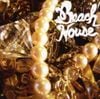
56.
Garage House
"Disco-influenced style of House that developed in the 1980s, incorporating elements of Gospel, Soul, and Dub, before evolving into a more upbeat style that prominently features crisp syncopated hi-hats and synth stabs."
Talking Blues
"Talking blues is a form of American Folk Music with spoken or nearly spoken vocals. Lyrical content is typified by dry humor and social commentary, often in the form of rhyming couplets, followed by a single, unrhyming line to conclude each verse."
Tape Music
"Tape music composers capture raw real-world sounds, recordings of musical instruments or synthesized sounds on tape to present the sounds as acousmatic compositions, distinct from the Western Classical Music tradition of musical notation which results in different performances each time."
Vanguarda paulista
"The vanguarda paulista or paulistana was a Brazilian cultural movement that began in the city of São Paulo and lasted from 1979 to 1985. It united artists of various musical styles who had no access to the established major labels due to their experimental, avant-garde approach. This period was marked by a go-to-market plan in 1980s Brazil, locally known as the "Lost Decade" due to the economic problems faced by the country."
Idol kayō
"Idol kayō is a style and period of Kayōkyoku which began in the early 1970s, named for its focus on "idol" singers. In contrast with earlier forms of kayōkyoku like Mood kayō, idol kayō often has a more upbeat and overtly Westernised sound, combining Vocal Jazz-informed singing and orchestrated Traditional Pop roots with newer American styles like Soul and Disco, and light forms of Pop Rock like Soft Rock and Yacht Rock."
"Disco-influenced style of House that developed in the 1980s, incorporating elements of Gospel, Soul, and Dub, before evolving into a more upbeat style that prominently features crisp syncopated hi-hats and synth stabs."
Talking Blues
"Talking blues is a form of American Folk Music with spoken or nearly spoken vocals. Lyrical content is typified by dry humor and social commentary, often in the form of rhyming couplets, followed by a single, unrhyming line to conclude each verse."
Tape Music
"Tape music composers capture raw real-world sounds, recordings of musical instruments or synthesized sounds on tape to present the sounds as acousmatic compositions, distinct from the Western Classical Music tradition of musical notation which results in different performances each time."
Vanguarda paulista
"The vanguarda paulista or paulistana was a Brazilian cultural movement that began in the city of São Paulo and lasted from 1979 to 1985. It united artists of various musical styles who had no access to the established major labels due to their experimental, avant-garde approach. This period was marked by a go-to-market plan in 1980s Brazil, locally known as the "Lost Decade" due to the economic problems faced by the country."
Idol kayō
"Idol kayō is a style and period of Kayōkyoku which began in the early 1970s, named for its focus on "idol" singers. In contrast with earlier forms of kayōkyoku like Mood kayō, idol kayō often has a more upbeat and overtly Westernised sound, combining Vocal Jazz-informed singing and orchestrated Traditional Pop roots with newer American styles like Soul and Disco, and light forms of Pop Rock like Soft Rock and Yacht Rock."
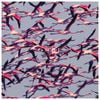
57.
Goregrind
"Goregrind deviates from typical Grindcore in three aspects: the persistent use of very low pitch-shifted vocals; the willingness to employ more mid-tempo rhythms rather than rampant full-throttle speed; and an almost exclusive lyrical obsession with medical terminology, pathological conditions, and violence upon the human body. These themes are chosen largely for shock value, and are often conveyed in a purposely over-the-top fashion. Due to Death Metal's influence on the genre, some see this as the predecessor to Deathgrind."
Noisecore
"Short blasts of riff-less, Noise-driven music accompanied with chaotic drums and screamed vocals."
Comfy Synth
"Consists of calm, peaceful and soothing sounds, as well as nostalgic, sentimental, or childish atmospheres and aesthetics, often incorporates wholesome themes while utilizing lo-fi or hazy recordings and influences from New Age."
Turntable Music
"Turntable music, in general terms, has its roots in the early half of the twentieth century, with experimental artists such as John Cage and Pierre Schaeffer using the turntable (as well as the vinyl records it plays) as a distinct musical instrument in the creation of compositions."
Space Disco
"Emerged in Europe in the mid-to-late 1970s, characterized by layers of oscillating synth, space-oriented sound effects, and a futuristic sound inspired by contemporary sci-fi media."
Highlife
"Originally began along the Ghanaian coast in the 1920s as a blend of western brass band instrumentation and rhythms with traditional Akan Music and Dagomba Music."
CCM
"Contemporary Christian music is a type of popular music focused on Christian spirituality and faith. It dates back to 1960s when Christian artists in the United States began to perform religious themed music in more modern and Pop oriented styles than Gospel or Christian Liturgical Music."
"Goregrind deviates from typical Grindcore in three aspects: the persistent use of very low pitch-shifted vocals; the willingness to employ more mid-tempo rhythms rather than rampant full-throttle speed; and an almost exclusive lyrical obsession with medical terminology, pathological conditions, and violence upon the human body. These themes are chosen largely for shock value, and are often conveyed in a purposely over-the-top fashion. Due to Death Metal's influence on the genre, some see this as the predecessor to Deathgrind."
Noisecore
"Short blasts of riff-less, Noise-driven music accompanied with chaotic drums and screamed vocals."
Comfy Synth
"Consists of calm, peaceful and soothing sounds, as well as nostalgic, sentimental, or childish atmospheres and aesthetics, often incorporates wholesome themes while utilizing lo-fi or hazy recordings and influences from New Age."
Turntable Music
"Turntable music, in general terms, has its roots in the early half of the twentieth century, with experimental artists such as John Cage and Pierre Schaeffer using the turntable (as well as the vinyl records it plays) as a distinct musical instrument in the creation of compositions."
Space Disco
"Emerged in Europe in the mid-to-late 1970s, characterized by layers of oscillating synth, space-oriented sound effects, and a futuristic sound inspired by contemporary sci-fi media."
Highlife
"Originally began along the Ghanaian coast in the 1920s as a blend of western brass band instrumentation and rhythms with traditional Akan Music and Dagomba Music."
CCM
"Contemporary Christian music is a type of popular music focused on Christian spirituality and faith. It dates back to 1960s when Christian artists in the United States began to perform religious themed music in more modern and Pop oriented styles than Gospel or Christian Liturgical Music."
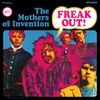
58.
Freak Folk
"Freak folk is a type of Psychedelic Folk which emerged in the late 1990s and early 2000s among artists associated with the New Weird America movement. It draws from a wide range of influences, with a particular interest in 1960s hippie acid folk, the quirkiness of Indie Folk, other New Weird America bands, as well as elements of Traditional Folk Music."
Anti-Folk
"Anti-folk is a style of Contemporary Folk music that originated in New York City during the 1980s as a reaction against what was viewed as an entrenched, elitist folk scene."
Mobb Music
"San Francisco Bay Area production style building on slowed down Funk (often utilizing live elements)."
Dungeon Rap
"Combines the dark production of Memphis Rap with the fantasy aesthetics and sound design of Dungeon Synth."
Horrorcore
"Lyrical content and imagery focuses on the macabre and morbid, including such topics as Satanism and suicide, with production generally of a darker nature than is typically found in other Hip Hop."
Dungeon Synth
"Dungeon synth is a style of Electronic music that focuses on evoking epic, atmospheric soundscapes associated with fantasy and medieval settings. Artists primarily utilize synthesizers, keyboards, and drum machines to create Ambient and orchestral textures, with vocals, samples, acoustic instruments, and lo-fi production also occasionally employed."
Drift Phonk
"Drift phonk is a form of Hip Hop-rooted Electronic music that emerged in the late 2010s. Characterized by busy, noisy production inspired by lo-fi Memphis Rap beats, the genre features heavy use of 808 cowbells (often edited to play a melody) as well as samples of oldschool Memphis rap and other rap tracks, which are usually heavily edited, looped, and "buried" in the mix. Heavy compression, distorted percussion, and rhythms inspired by Trap are sometimes used as well."
"Freak folk is a type of Psychedelic Folk which emerged in the late 1990s and early 2000s among artists associated with the New Weird America movement. It draws from a wide range of influences, with a particular interest in 1960s hippie acid folk, the quirkiness of Indie Folk, other New Weird America bands, as well as elements of Traditional Folk Music."
Anti-Folk
"Anti-folk is a style of Contemporary Folk music that originated in New York City during the 1980s as a reaction against what was viewed as an entrenched, elitist folk scene."
Mobb Music
"San Francisco Bay Area production style building on slowed down Funk (often utilizing live elements)."
Dungeon Rap
"Combines the dark production of Memphis Rap with the fantasy aesthetics and sound design of Dungeon Synth."
Horrorcore
"Lyrical content and imagery focuses on the macabre and morbid, including such topics as Satanism and suicide, with production generally of a darker nature than is typically found in other Hip Hop."
Dungeon Synth
"Dungeon synth is a style of Electronic music that focuses on evoking epic, atmospheric soundscapes associated with fantasy and medieval settings. Artists primarily utilize synthesizers, keyboards, and drum machines to create Ambient and orchestral textures, with vocals, samples, acoustic instruments, and lo-fi production also occasionally employed."
Drift Phonk
"Drift phonk is a form of Hip Hop-rooted Electronic music that emerged in the late 2010s. Characterized by busy, noisy production inspired by lo-fi Memphis Rap beats, the genre features heavy use of 808 cowbells (often edited to play a melody) as well as samples of oldschool Memphis rap and other rap tracks, which are usually heavily edited, looped, and "buried" in the mix. Heavy compression, distorted percussion, and rhythms inspired by Trap are sometimes used as well."
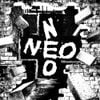
59.
Neofolk
"Neofolk is a genre of Contemporary Folk music that emerged in the mid-1980s from the Post-Industrial scene."
Spiritual Jazz
"Emerged in the 1960s, marked by a mixture of Jazz with approximations of ethnic styles, religious music of non-Christian traditions, and the ecstatic, transcendental aspects of Free Jazz."
Post-Bop
"Grew out of Hard Bop in the early to mid-1960s incorporating certain untraditional elements inspired largely in part from Avant-Garde Jazz, Modal Jazz and eventually, Free Jazz, such as non-diatonic chord progressions, irregular rhythms and amelodic forms."
MPB
"MPB, short for música popular brasileira, is a loosely defined genre that formed in the mid-1960s as a modernised version of Bossa nova and Samba-canção."
Baião
"Emerging in the 19th century, baião is a dance rhythm from northeastern Brazil derived from lundu, an Afro-Brazilian style of dance and music."
Slushwave
"Specializes in a distinct form of sample manipulation rooted in Vaporwave, heavily utilizing multi-layered effects to create a specific "slushy", hypnagogic sound usually sequenced in soft, repetitive Ambient-based soundscapes."
"Neofolk is a genre of Contemporary Folk music that emerged in the mid-1980s from the Post-Industrial scene."
Spiritual Jazz
"Emerged in the 1960s, marked by a mixture of Jazz with approximations of ethnic styles, religious music of non-Christian traditions, and the ecstatic, transcendental aspects of Free Jazz."
Post-Bop
"Grew out of Hard Bop in the early to mid-1960s incorporating certain untraditional elements inspired largely in part from Avant-Garde Jazz, Modal Jazz and eventually, Free Jazz, such as non-diatonic chord progressions, irregular rhythms and amelodic forms."
MPB
"MPB, short for música popular brasileira, is a loosely defined genre that formed in the mid-1960s as a modernised version of Bossa nova and Samba-canção."
Baião
"Emerging in the 19th century, baião is a dance rhythm from northeastern Brazil derived from lundu, an Afro-Brazilian style of dance and music."
Slushwave
"Specializes in a distinct form of sample manipulation rooted in Vaporwave, heavily utilizing multi-layered effects to create a specific "slushy", hypnagogic sound usually sequenced in soft, repetitive Ambient-based soundscapes."
60.
Flashcore
"Intense wandering soundscapes, scattered rapid short-duration sounds, complex avant-garde structures, and, usually, layered acousmatic decomposition and influences from Speedcore, IDM, and Breakcore."
Breakcore
"Mixes Hardcore [EDM] with cut-up, complex, and frequently noisy breakbeats at very high tempos inspired by Jungle and Drum and Bass, often with heavy use of sampling."
Drill and Bass
"Frenzied, intricate beat programming inspired by Drum and Bass."
Atmospheric Sludge Metal
"Sludge Metal performed with an emphasis on atmospheric and textured riffs. Pioneered by bands such as Neurosis, Isis and Pelican, the style is characterised by heavy distorted riffs slowly building on the crescendos often associated with Post-Rock."
Coldwave
"Coldwave is a style of Post-Punk music that originated in Europe in the late 1970s and early 1980s and is known for its dark, minimalistic atmosphere and heavy reliance on synthesizers."
Burning Spirits
"Burning Spirits initially refer to a series of Japanese Hardcore shows of the same name that began in the late 1980s, now used to describe bands that play a distinct style of Metal-influenced Hardcore Punk with an emphasis on delivering a very energetic and triumphant sound."
Crust Punk
"Metallic form of Hardcore Punk that grew out of the Anarcho-Punk movement in the mid-1980s."
"Intense wandering soundscapes, scattered rapid short-duration sounds, complex avant-garde structures, and, usually, layered acousmatic decomposition and influences from Speedcore, IDM, and Breakcore."
Breakcore
"Mixes Hardcore [EDM] with cut-up, complex, and frequently noisy breakbeats at very high tempos inspired by Jungle and Drum and Bass, often with heavy use of sampling."
Drill and Bass
"Frenzied, intricate beat programming inspired by Drum and Bass."
Atmospheric Sludge Metal
"Sludge Metal performed with an emphasis on atmospheric and textured riffs. Pioneered by bands such as Neurosis, Isis and Pelican, the style is characterised by heavy distorted riffs slowly building on the crescendos often associated with Post-Rock."
Coldwave
"Coldwave is a style of Post-Punk music that originated in Europe in the late 1970s and early 1980s and is known for its dark, minimalistic atmosphere and heavy reliance on synthesizers."
Burning Spirits
"Burning Spirits initially refer to a series of Japanese Hardcore shows of the same name that began in the late 1980s, now used to describe bands that play a distinct style of Metal-influenced Hardcore Punk with an emphasis on delivering a very energetic and triumphant sound."
Crust Punk
"Metallic form of Hardcore Punk that grew out of the Anarcho-Punk movement in the mid-1980s."

61.
Outlaw Country
"Outlaw country is a style of Progressive Country originating from a 1970s movement that saw artists adopt rebellious, anti-establishment attitudes within their music, lyrics, and personas. The genre combines traditionalist Country sounds with elements of Rock, the twangy Telecaster tones of the Bakersfield Sound, and additional influences from Singer-Songwriter, Southern Rock, Country Soul, and Contemporary Folk."
Honky Tonk
"Upbeat style that retains much of the common instrumentation of Traditional Country, as well as featuring prominent guitars (especially the steel guitar), strong backbeats and lyrics commonly about the working-class life."
Chanson à texte
"French-language songs emphasising sophisticated and poetic lyricism."
Neo-Acoustic
"Neo-acoustic is a Japanese-originating term for a specific cross-section of Indie Pop and Jangle Pop. As the name indicates, the genre hearkens back to the prominent use of acoustic guitars in 1960s Folk Rock, with the "neo" prefix representing a reinvention of that sound through New Wave and the Post-Punk movement."
Shibuya-kei
"Eclectic scene emerging from the Shibuya district of Tokyo near the end of the 1980s; often borrows kitschy, retro-inspired aesthetics alongside diverse musical influences from Indie Pop, 1960s Pop and Easy Listening, Jazz, and Electronic styles."
Oi!
"Oi! is a sub-genre of Punk Rock that developed in the late 1970s in the United Kingdom, as a rejection to the burgeoning Art Punk genre."
"Outlaw country is a style of Progressive Country originating from a 1970s movement that saw artists adopt rebellious, anti-establishment attitudes within their music, lyrics, and personas. The genre combines traditionalist Country sounds with elements of Rock, the twangy Telecaster tones of the Bakersfield Sound, and additional influences from Singer-Songwriter, Southern Rock, Country Soul, and Contemporary Folk."
Honky Tonk
"Upbeat style that retains much of the common instrumentation of Traditional Country, as well as featuring prominent guitars (especially the steel guitar), strong backbeats and lyrics commonly about the working-class life."
Chanson à texte
"French-language songs emphasising sophisticated and poetic lyricism."
Neo-Acoustic
"Neo-acoustic is a Japanese-originating term for a specific cross-section of Indie Pop and Jangle Pop. As the name indicates, the genre hearkens back to the prominent use of acoustic guitars in 1960s Folk Rock, with the "neo" prefix representing a reinvention of that sound through New Wave and the Post-Punk movement."
Shibuya-kei
"Eclectic scene emerging from the Shibuya district of Tokyo near the end of the 1980s; often borrows kitschy, retro-inspired aesthetics alongside diverse musical influences from Indie Pop, 1960s Pop and Easy Listening, Jazz, and Electronic styles."
Oi!
"Oi! is a sub-genre of Punk Rock that developed in the late 1970s in the United Kingdom, as a rejection to the burgeoning Art Punk genre."
1
2
22
Comments
Last 15 Comments -Sign in to comment



pola meets lyrica
live at ministry of sound, 1991
Yeah ok ok
Pola meets lyrica
The mating sounds of South American frogs
Love
sorry for being late to the request 😭
Pola
Love
Face Always Before The Sun
Ether Teeth
Tomorrow Does Not Exist
So So So We See
Routes Not Roots
Fanfare
Frankie Knuckles
Patife Band
Yuki Saitō
Warhead
Love
Il n'y a plus rien
Koto Music
Pola Meets Lyrica
Dyers’ Hands
You Think You Really Know Me
Sea Chanteys
Som Imaginário- Matança do Porco
Peter and the Test Tube Babies- The Mating Sounds of South American Frogs (only voting because the Oi! genre tag)
Black Tambourine
Sister's Barbershop
4 позиции Бруно
The Legendary Pink Dots
Blood-draum
Taxidermy